Image
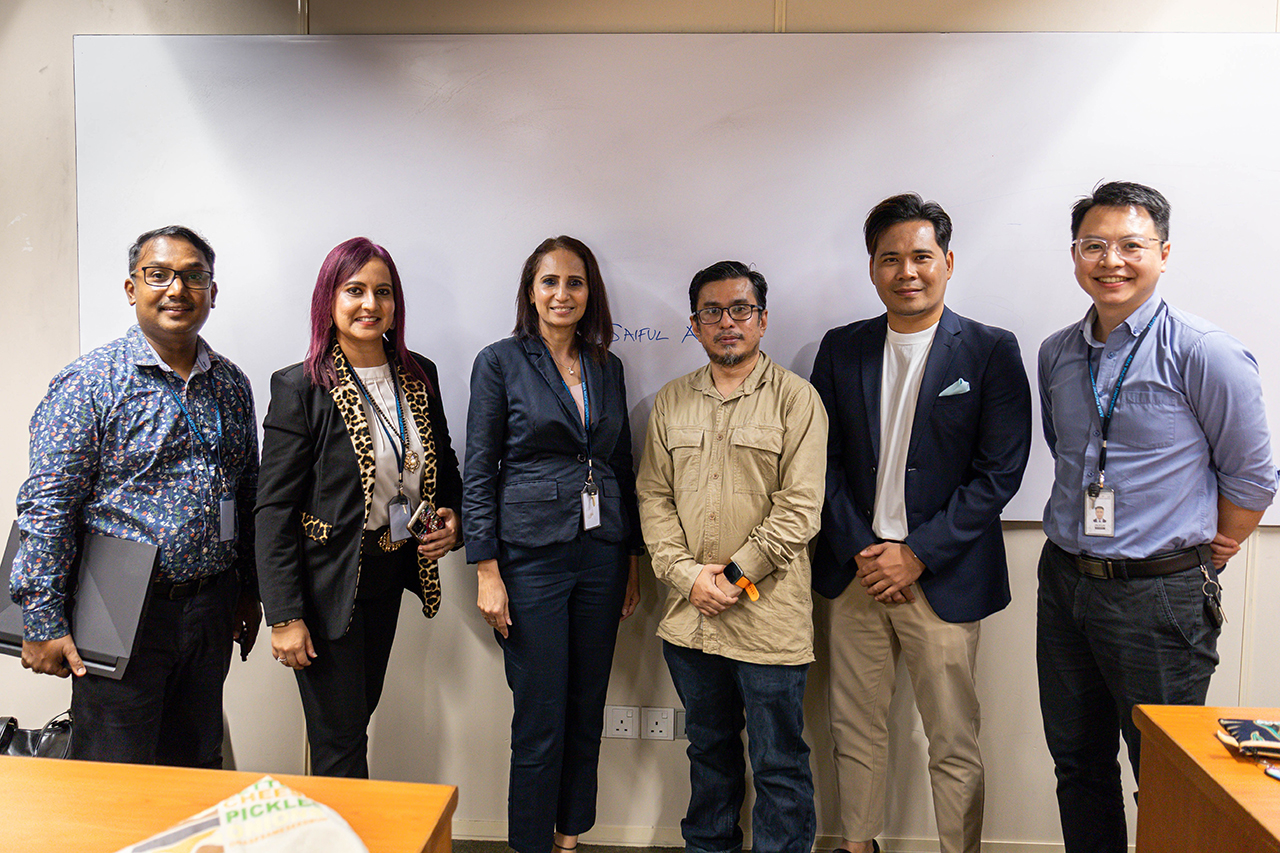
As artificial intelligence continues to reshape industries worldwide, its influence on creative practice is becoming increasingly profound. On 18 December, the School of Marketing & Management (SoMM) at Asia Pacific University of Technology & Innovation (APU) hosted an industry-focused talk titled “The Future of Storytelling: AI as Your Creative Director”, offering students a timely and practical exploration of how AI is transforming storytelling, branding, and creative production.
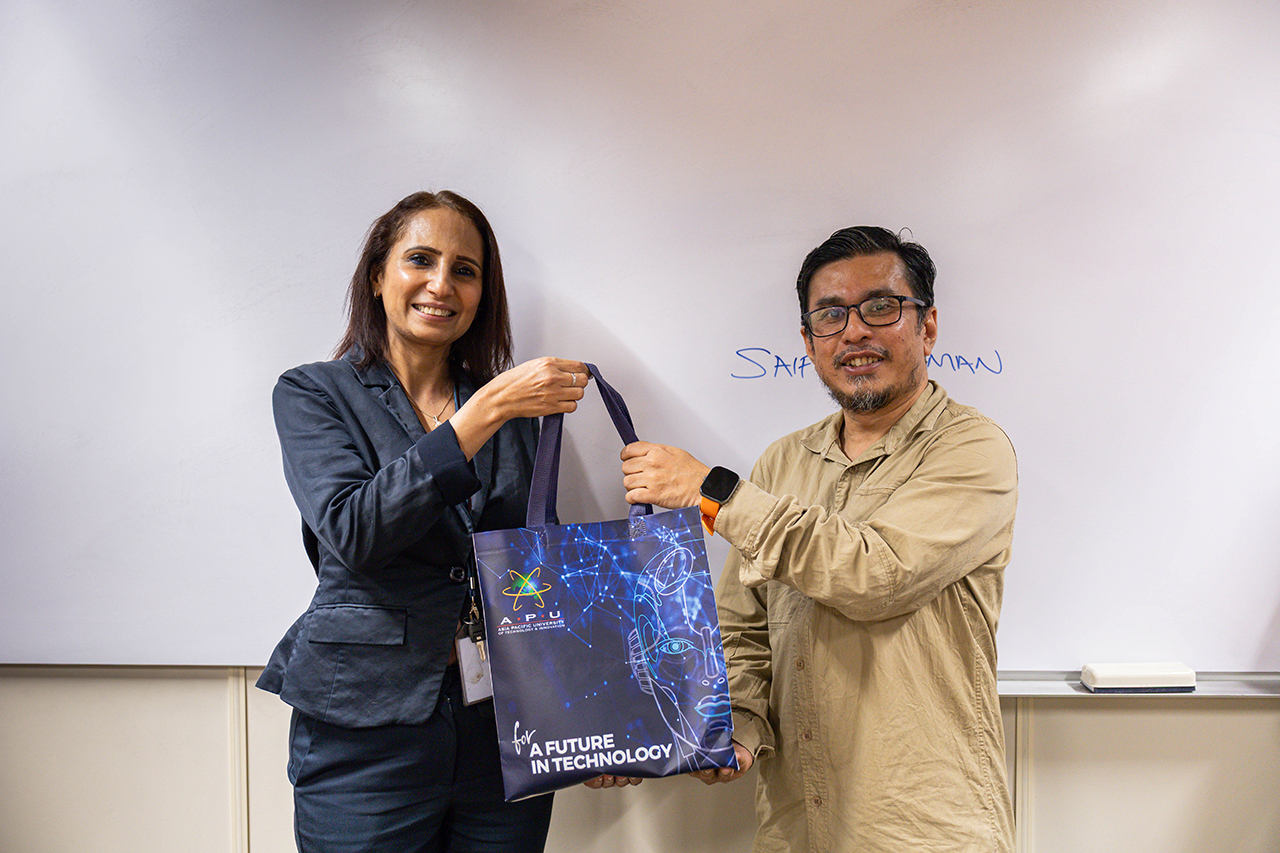
The session was delivered by Mr Saiful Aziman bin Mazlan, a filmmaker, creative director, producer, and lecturer from Radio Televisyen Malaysia (RTM), Angkasapuri, Kuala Lumpur. He was accompanied by Mr Mohamad Faries Alias, a graphic designer. Drawing from years of professional experience in broadcast media and creative direction, Mr Saiful shared industry insights on how AI is redefining the way stories are imagined, produced, and communicated.
A Cross-Disciplinary Learning Experience
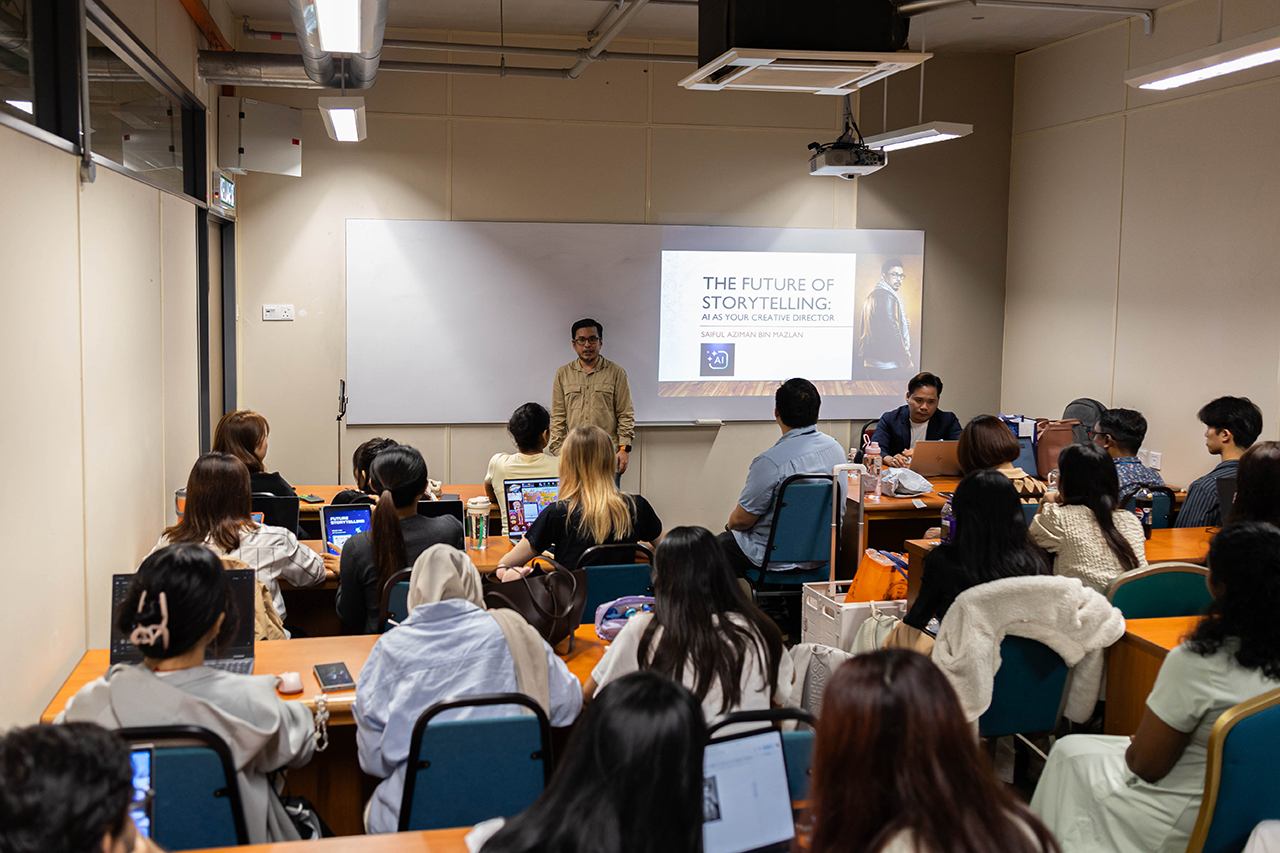
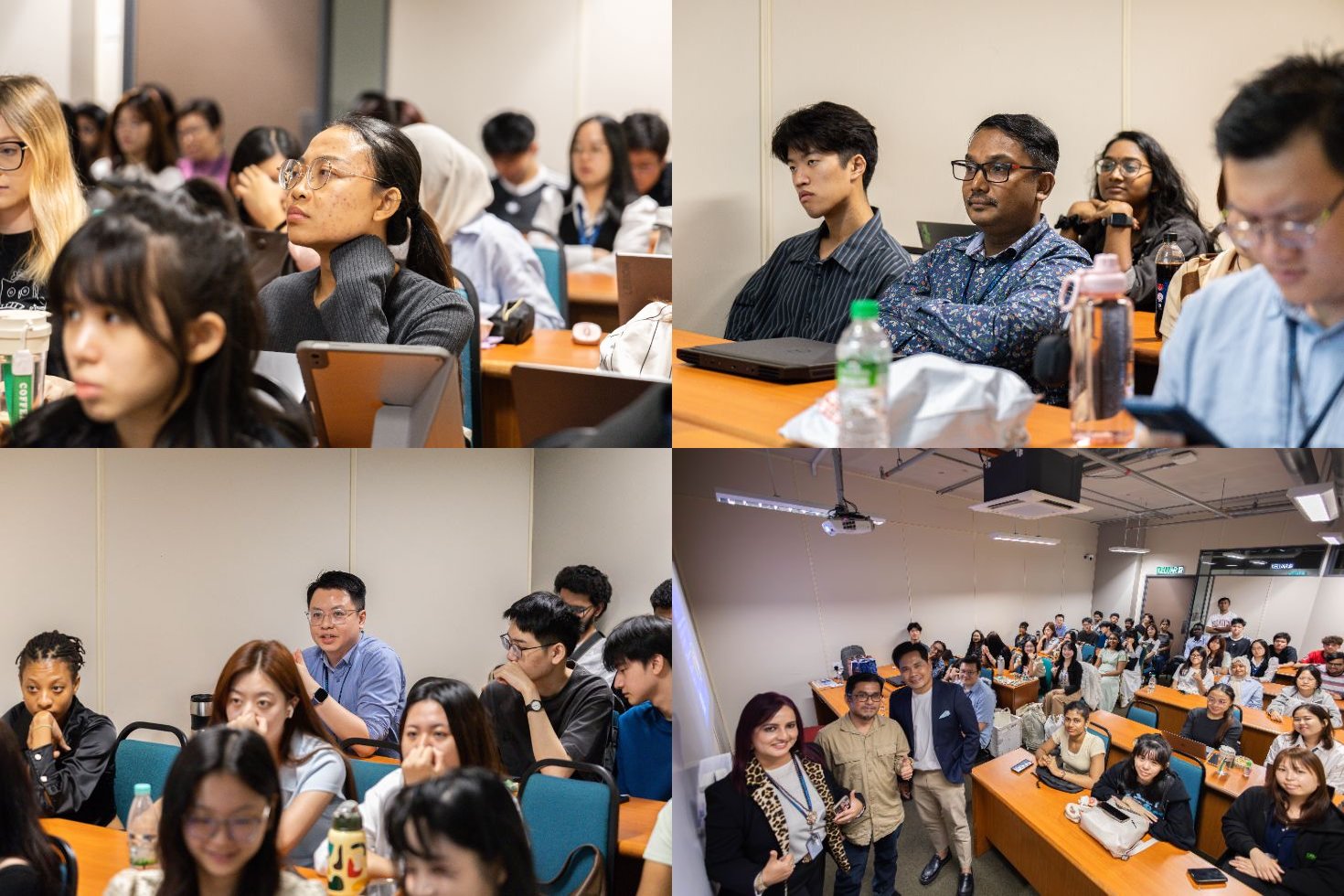
Spearheaded by Ms Harjinder Kaur, Senior Lecturer, SoMM, the talk attracted 44 students from across APU, including those from SoMM, the School of Media, Arts and Design (SoMAD), the School of Computing (SoC), as well as postgraduate students specialising in Digital Marketing. Also present were Mr Edwin Pio Rufus Samiraj and Mr Jack Lai Yong Geat, Senior Lecturers from SoMAD, reflecting the cross-disciplinary relevance of AI-driven creativity.
This diverse audience underscored a key theme of the session: AI-led storytelling is no longer confined to a single discipline. Instead, it sits at the convergence of technology, marketing, design, media, and data—skills increasingly essential for future-ready graduates.
From Algorithms to Generative AI: A Creative Evolution
In setting the context, Mr Saiful traced the evolution of artificial intelligence from its conceptual roots in the 1940s and 1950s, when pioneers such as Alan Turing first posed the question of whether machines could think. He explained how early AI systems were largely rule-based and analytical, designed to process logic rather than creativity.
In contrast, today’s generative AI tools are capable of producing text, images, music, and video—ushering in a paradigm shift in creative production. These tools, he noted, are not merely automating tasks but actively supporting ideation, experimentation, and narrative development.
AI’s Growing Role in Malaysia’s Creative Industry
The session also highlighted how AI adoption within Malaysia’s creative industry gained significant momentum after 2020. The widespread availability of AI-powered features in everyday applications, coupled with the public release of tools such as ChatGPT and image-generation platforms, has accelerated experimentation across marketing, media, and content creation.
According to Mr Saiful, creators are now using AI for practical applications such as event visuals, brand campaigns, product visualisation, and digital storytelling—often achieving results more efficiently and cost-effectively than traditional production methods.
AI as a Creative Co-Director
A key focus of the talk was AI’s ability to strengthen storytelling. Mr Saiful explained how AI models learn narrative structures, emotional pacing, and character development, enabling users to craft compelling stories through well-designed prompts. Live demonstrations illustrated how AI-generated short films can translate brand values, missions, and identities into emotionally resonant narratives.
Real-world storyboard examples showed how AI can function as a creative co-director—supporting world-building, character design, pacing, and rapid visual experimentation. He also highlighted AI’s capacity to maintain visual consistency by applying brand guidelines, colour palettes, tone, and logo placement across multiple platforms and markets.
Ethics, Authenticity, and Human Oversight
While showcasing AI’s creative potential, Mr Saiful emphasised the importance of ethical and responsible use. Issues such as cultural sensitivity, authenticity, and representation were discussed, with a clear reminder that human judgement remains essential.
“AI may accelerate production,” he noted, “but it cannot replace human values, cultural awareness, or moral responsibility.” Human oversight, he stressed, is critical to ensuring credibility, trust, and meaningful storytelling.
Student Reflections and Industry Readiness
Students shared thoughtful reflections on the session. Lossini Magesvaran, a Bachelor of Computer Science (Hons) (Artificial Intelligence) student, highlighted how combining multiple AI tools into a single creative workflow preserves creator control while enhancing efficiency.
Jason Andrew Dsouza, a Digital Marketing student, described AI as a creative collaborator rather than a replacement, emphasising that emotional depth and authenticity still stem from human experience. Malini Jeevananthan noted that the seminar increased her confidence in using AI for creative and marketing projects, particularly in image and video generation.
Shaping the Future of Creative Practice
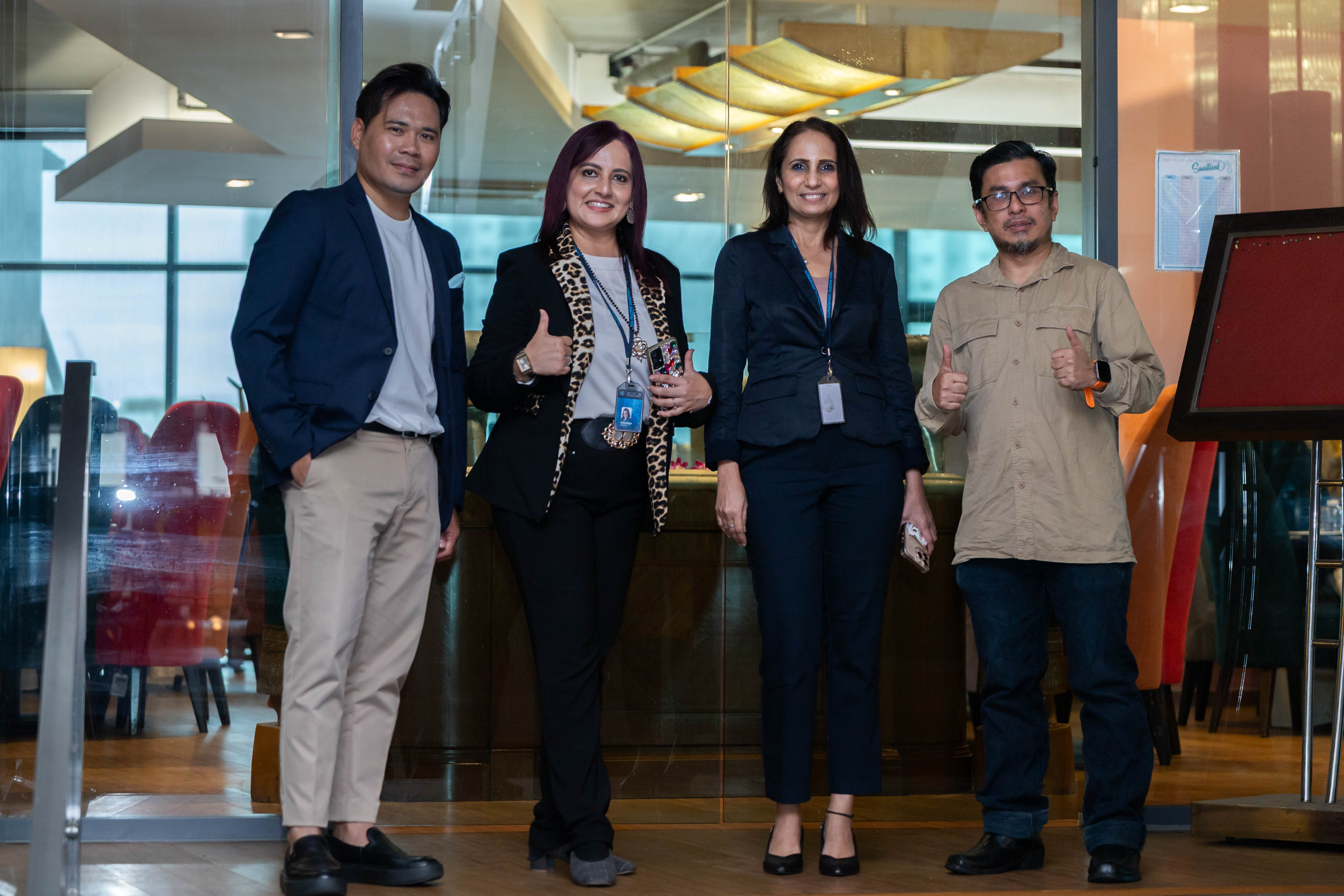
Overall, the talk provided students with valuable industry insights into AI as a creative partner. The session concluded with a forward-looking discussion on how future creatives can harness AI to enhance—rather than replace—human imagination, ensuring that storytelling remains ethical, authentic, and impactful in an increasingly AI-driven world.
Echoing this sentiment, Associate Professor Dr Devinder Kaur, Head of APU’s School of Marketing & Management, affirmed, “This session prepares future-ready graduates by integrating AI into creative and strategic thinking. By treating AI as a collaborator, we empower students to innovate responsibly, tell meaningful stories, and remain human-centred in an evolving digital landscape.”
News & Happening
Download e-Brochures
Intake Calendar
Want to know more ?
Let’s Connect